

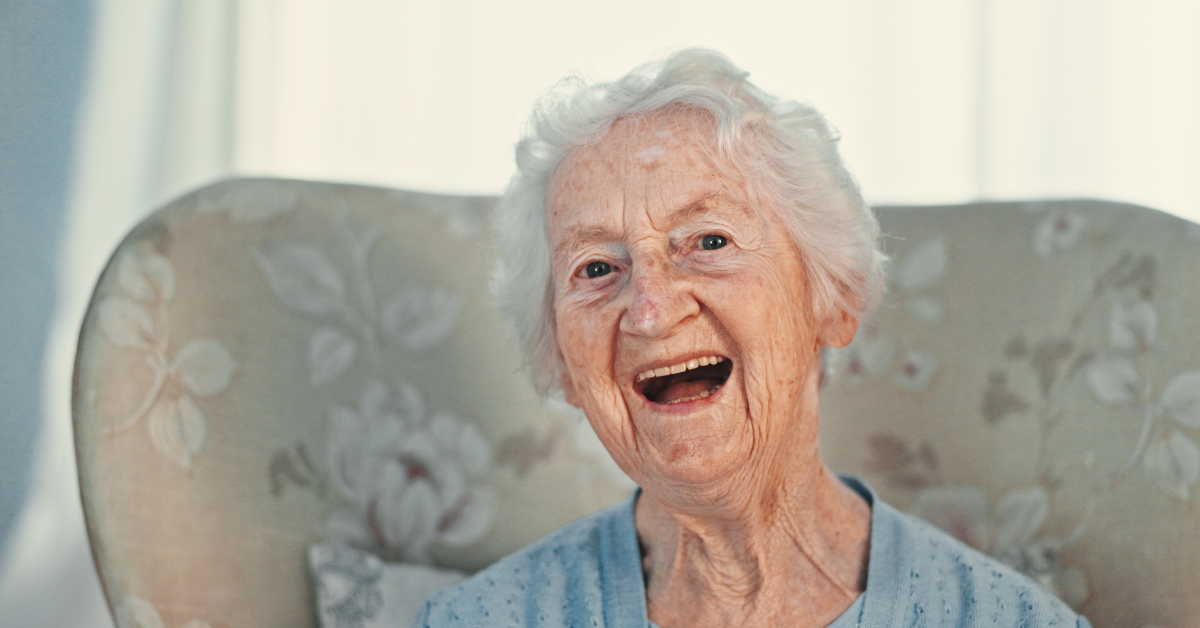
Something beautiful happens when we focus on gratitude within memory care in Port Washington. Stress levels drop. Wellbeing grows. The quality of life for our seniors flourishes in ways that surprise even experienced caregivers. This isn’t wishful thinking—it’s what happens when we shift our approach to caring for those living with dementia.
Memory care doesn’t have to be just about managing symptoms and maintaining routines. When we weave gratitude into daily interactions, something shifts—both for residents and the people who care for them.
What is the Best Way to Foster a Sense of Gratitude and Joy for a Senior Who is Often Withdrawn in Memory Care?
Memory care in Port Washington has taught us that connection happens on individual terms—some through photographs, others through familiar songs and many through the simple gift of patient presence.
Understanding the path to connection
Personal history holds the key. Photo albums become bridges to conversation, even with residents who rarely speak. Watch their faces when familiar images appear—a childhood home, a wedding day, a beloved pet. These moments don’t require complex questions. Sometimes a gentle “Tell me about this” opens doors that direct questions cannot.
When music and art become conversation
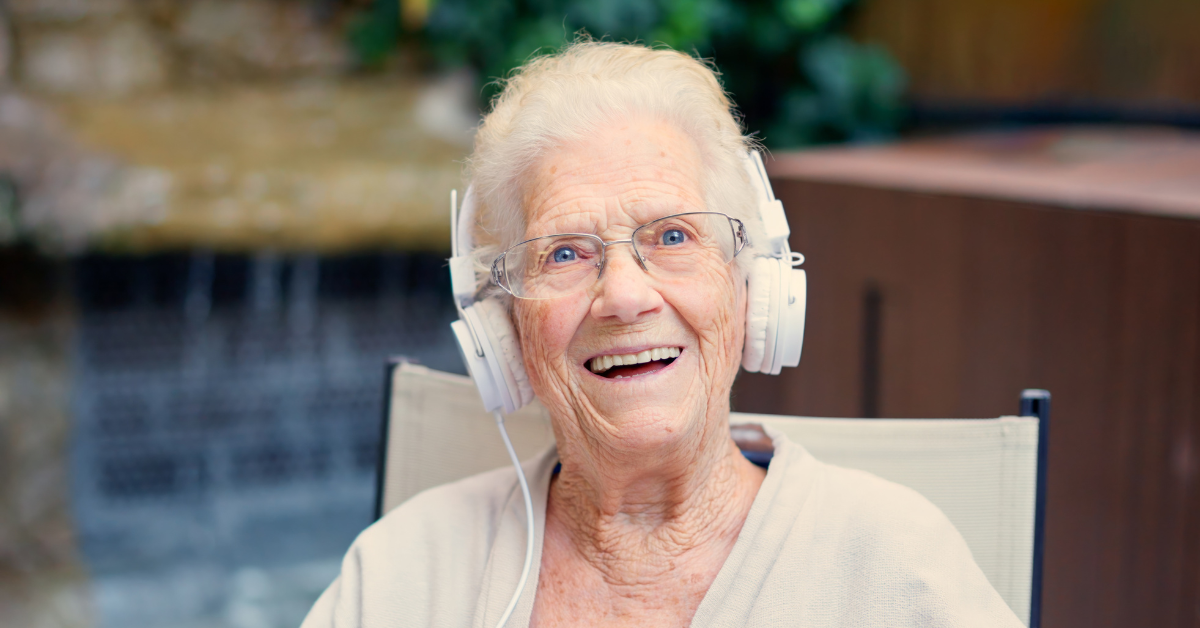
Music reaches places words never touch. Songs from someone’s young adult years—particularly those from ages 18 to 25—often spark the strongest responses. The melody of a first dance or a popular tune from their twenties can awaken emotions that seemed lost.
Art offers another pathway. Watercolor painting and clay work provide sensory experiences that don’t demand verbal participation. The feel of smooth clay between fingers or watching colors blend on paper creates its own form of communication.
The healing power of appropriate touch and presence
Physical connection, when welcomed, speaks volumes. Hand massages with pleasantly scented lotion provide comfort and sensory engagement. Yet sometimes the most powerful connection happens in comfortable silence—your steady, calm presence communicating care without any words at all.
Never underestimate the value of simply being there. Sitting quietly beside someone shows respect for their internal world while offering your availability should they choose to emerge from their withdrawal.
Making space for all emotions
Create environments where every emotion finds acceptance. Gratitude and joy don’t always look cheerful—sometimes they arrive through tears or even moments of agitation. Rather than redirecting these expressions, acknowledge them: “I can see this memory touches your heart” or “These feelings make sense.”
Why Gratitude Matters So Deeply in Memory Care
Positive emotional experiences create ripple effects that extend far beyond a single moment of happiness for residents in memory care in Port Washington. Many people don’t realize that even when cognitive abilities begin to change, the capacity for gratitude remains intact, serving as a vital resource for navigating daily challenges.
How positive emotions build strength in dementia
Think of positive emotions as the foundation stones of resilience for people living with memory impairment. When someone experiences gratitude, joy or contentment, their brain responds in ways that may actually help preserve cognitive function longer. This challenges the misconception that positive psychology only works before symptoms appear. The truth is more hopeful—cognitive changes don’t eliminate the ability to feel and benefit from positive emotions.
When gratitude changes everything between residents and caregivers
The relationship between a resident and their caregiver shapes every aspect of daily life. Research reveals that when staff approach residents with genuine empathy, mood improves (Malenfant et al., 2022). People maintain their independence longer. Even something as basic as appetite gets better. Gratitude creates this kind of environment naturally, encouraging residents to participate more fully in activities and social connections. Both sides of the relationship benefit—residents feel valued and caregivers discover deeper meaning in their work.
Finding Peace
What makes gratitude so powerful in memory care settings? It works both ways. Residents find moments of peace and connection even as their memories fade. Caregivers discover renewed purpose in their work. Families build bridges that transcend the confusion and loss that dementia brings.
The path forward asks for patience, yes. Creativity, certainly. But mostly it requires us to show up—fully present—for the people entrusted to our care. That presence, grounded in gratitude, becomes the greatest gift we can offer to those navigating the challenges of memory loss. If you are looking for a memory care community that honors your loved one’s journey, contact us at (262) 268-1300 to schedule a tour of Lincoln Village.
FAQs
Q1. How does practicing gratitude help improve the well-being of seniors in memory care?
Gratitude can have a powerful impact on seniors in memory care. Taking time to focus on what’s positive helps reduce stress, boost mood and promote emotional balance. It also builds resilience and can even support cognitive health over time. Most importantly, gratitude helps create moments of genuine connection — reminding residents that they’re valued, seen and appreciated for who they are.
Q2. What are some gentle ways to encourage gratitude in seniors who seem withdrawn?
Fostering gratitude in withdrawn seniors starts with small, meaningful moments. Playing familiar music or engaging them in simple art activities can help spark positive memories. Gentle touch, like holding a hand or offering a reassuring pat, can also convey care and connection.